
Drywall repair after plumbing or electrical upgrades is one of those planning details that can affect the schedule, finish quality, and daily experience of a Southwest Florida construction project. Remodeling and new construction involve many trades, but the walls, ceilings, stucco, trim, and finish surfaces are what homeowners see every day once the work is complete.
CR Benge Drywall and Stucco Inc. works with homeowners who want those details handled carefully from the start. If you are thinking about drywall repair after plumbing or electrical upgrades, it helps to understand how planning, sequencing, material selection, and inspection points work together before the job reaches the final punch list.
Local Conditions That Affect The Work
Homes in coastal Lee and Collier County face humidity, storm-season moisture, salt air in some neighborhoods, intense sunlight, and frequent changes between indoor air conditioning and outdoor heat. Those conditions can reveal weak preparation quickly. A wall that was not properly patched, a stucco area that was not evaluated before coating, or a trim detail that was rushed can become visible after the project is supposed to be finished.
That is why homeowners should ask how the contractor will prepare each surface, protect the work area, and sequence the next trade. A remodel is not just a list of individual tasks. Drywall, stucco, framing, paint, cabinets, flooring, and fixtures all depend on the condition of the work that came before them.
When the planning is clear, homeowners get fewer surprises. They know which areas will be opened, what must be inspected, how dust and access will be handled, and when finish work can begin. For permitting or code-related questions, resources such as EPA renovation safety resources can help homeowners understand the broader process before they meet with a contractor.

What To Review Before Work Starts
A good preconstruction conversation should cover scope, access, protection, materials, schedule, and what counts as a finished result. Homeowners should know which rooms are involved, whether walls or ceilings will be opened, whether exterior stucco needs repair, and how the contractor will protect nearby flooring, cabinetry, windows, and landscaping.
For drywall repair after plumbing or electrical upgrades, the most important questions usually involve what is hidden behind the finished surface. Wall framing, moisture exposure, previous repairs, electrical or plumbing access, and substrate condition can all affect the best repair method. If a crack or stain keeps returning, simply covering it may not solve the underlying problem.
Photos, measurements, and a clear list of concerns help the contractor prepare a better plan. If you are comparing bids, make sure each one describes the same scope. A low number may not include the same prep, protection, texture matching, or finish work as a more complete proposal.
Why Access Cuts Are Bigger Than They Look
When a plumber repipes a bathroom or an electrician runs new circuits, the opening they leave behind is rarely a tidy rectangle. To reach a leaking supply line, a corroded drain, or a junction box buried in a wall, the access cut often follows the path of the pipe or conduit. The result is an irregular hole, sometimes several feet long, that crosses studs and may clip a corner or run up into the ceiling. Repairing that well takes more than a square of drywall and a swipe of compound.
The first thing a finisher looks at is the edge. A clean repair needs solid backing behind the seams, so blocking or a backer strip is added between studs where the cut left an unsupported edge. Without that, the patch flexes, the joint cracks, and the homeowner sees a line through the paint within a few months. Matching the existing drywall thickness matters too. Older Southwest Florida homes may have half-inch board where a newer addition used five-eighths, and a mismatch leaves a ridge or a dip that no amount of sanding fully hides.
Ceilings deserve extra caution. A ceiling access cut for a plumbing line carries its own weight and is the first place a sloppy patch shows, because overhead light rakes across every seam. Repairs near showers, tubs, and kitchen plumbing should also use moisture-resistant board where the original wall called for it, so the new patch stands up to the same humidity as everything around it.
Sequencing Can Protect The Finished Result
The order of work matters. Rough repairs and access work should happen before final drywall finishing. Moisture concerns should be addressed before paint. Stucco cracks should be evaluated before coatings are selected. Cabinet, trim, and flooring details should be coordinated so finished edges meet cleanly.
This is especially important in remodels where the home remains occupied. Dust control, daily cleanup, and access planning are not cosmetic extras. They affect how stressful the project feels and how well surrounding finishes are protected. A careful plan also keeps the crew from having to redo finished surfaces because another trade needed access later.
Wait For Inspection Before You Close The Wall
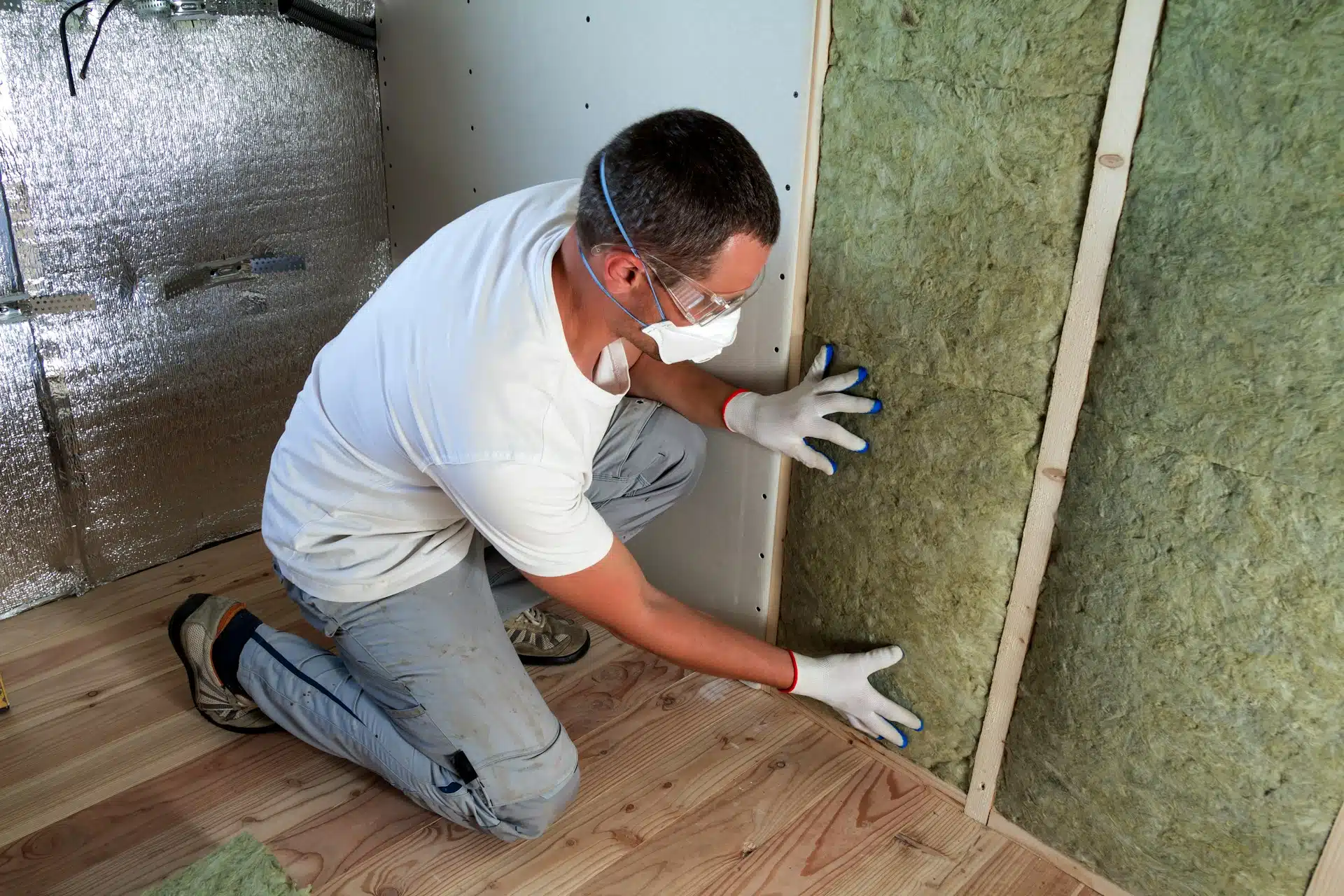
One of the most common scheduling mistakes after a plumbing or electrical upgrade is closing the wall too soon. Most permitted electrical and plumbing work in Lee and Collier County requires a rough inspection while the wall is still open, so the inspector can see the connections, supports, and clearances before drywall hides them. If the drywall goes up before that sign-off, it may have to come back down, which adds cost and turns one repair into two.
The right rhythm is straightforward. The trade finishes its rough work, the inspector reviews and approves it, and only then does drywall close the opening. A contractor who coordinates the finish work around that inspection point saves the homeowner from a redo and keeps the project on a predictable schedule. It also gives a natural moment to confirm that insulation, vapor details, and any fire-blocking went back in correctly before the surface is sealed up.
Texture and paint are the final handoff. After the patch is taped, coated, and sanded, the finisher matches the surrounding texture, whether it is a smooth wall, an orange-peel spray, or a knockdown ceiling, then primes the new compound so it does not flash through the paint. A repair done in the right order disappears into the wall. One rushed ahead of inspection or texture matching tends to announce itself for years.
Signs You Need A More Detailed Contractor Conversation
Some projects are simple, but others need a closer look before work begins. Warning signs include recurring cracks, staining, soft drywall, uneven texture, exterior stucco separation, window or door leaks, and previous repairs that do not match the surrounding surface. These issues may require investigation before a reliable finish can be promised.
Homeowners should also ask about material compatibility. The right drywall product, compound, sealant, coating, or backing material depends on the location and exposure. Bathrooms, kitchens, exterior walls, and coastal properties often need more careful choices than a dry interior room.
A contractor who explains the reason behind those choices is easier to work with. The homeowner can see what is included, what could change after inspection, and how the final result will be evaluated.
How CR Benge Approaches The Work
CR Benge focuses on the details that make remodels and new builds look complete: straight surfaces, durable repairs, coordinated sequencing, and finish work that fits the home. That includes reviewing the existing conditions, discussing the work area, and helping homeowners understand where drywall, stucco, trim, or related finish work fits into the larger construction plan.
For larger projects, it can also help to use tools such as the construction cost calculator before a conversation. A rough budget range does not replace a site review, but it gives homeowners a starting point for discussing scope and priorities.
Frequently Asked Questions
What should homeowners ask before a remodel starts?
Ask what areas will be affected, how surfaces will be protected, which materials are included, how schedule changes are handled, and what the finished condition should look like.
Why do drywall or stucco issues sometimes return?
Recurring cracks, stains, or texture problems can point to movement, moisture, incompatible materials, or incomplete preparation. The underlying cause should be reviewed before another finish layer is added.
Can small repairs be grouped with a larger remodel?
Yes. Grouping drywall, stucco, trim, or finish repairs with a larger project can be efficient when the crew is already protecting the space and sequencing related work.
Talk With CR Benge
If your project involves drywall, stucco, remodeling, or new construction details, call (239) 948-2125 or use the contact page to reach CR Benge Drywall and Stucco Inc. A direct conversation is the fastest way to clarify scope, schedule, and the best next step for your home.

