
A final walkthrough checklist for Bonita Springs new builds should be more than a quick look at paint. It is the last organized review before the owner accepts the finished space, so it should cover exterior details, interior finishes, moisture-sensitive areas, safety items, and the small punch-list issues that are easiest to correct before furniture and daily use get in the way.
CR Benge Drywall and Stucco Inc. works in the finish details that homeowners notice every day: drywall, stucco, trim, texture, openings, repair transitions, and the surfaces that make a new build feel complete. In Southwest Florida, the checklist also needs to account for humidity, wind-driven rain, coastal exposure, air-conditioning cycles, and the way new materials settle after construction.
Start Outside Before The Interior Walkthrough
Begin with the exterior shell because water management and finish protection affect everything inside the home. Walk the perimeter slowly and look at stucco texture, paint coverage, control joints, caulk lines, window and door openings, soffits, fascia, hose bibs, exterior outlets, and visible penetrations. Hairline surface variation can be normal, but open gaps, staining, hollow-sounding stucco, soft areas, loose trim, or inconsistent sealant should be documented before final approval.
Bonita Springs homes can see heavy rain, high humidity, irrigation overspray, and salt air depending on location. The final review should confirm that drainage does not push water toward walls, doors, or low stucco edges. If landscaping or pavers were installed late in the project, check that grades and splash areas still make sense after those changes.
For code or product-approval questions, homeowners can use Florida Building Code resources as a reference point, then ask the contractor which items apply to the specific scope. The goal is not to turn the homeowner into an inspector. The goal is to make the final conversation specific and documented.

Interior Finish Checklist
Inside the home, review each room in the same order so nothing is missed. Check walls and ceilings under natural light and with interior lights on. Look for texture mismatches, visible seams, nail pops, uneven corners, paint misses, trim gaps, caulk shrinkage, door rubs, window casing issues, cabinet edge conflicts, and flooring transitions that do not meet cleanly.
- Open and close every interior and exterior door, including closets and sliders.
- Check trim returns, baseboards, casing, and caulk lines at corners and openings.
- Look across walls from an angle so shadows reveal texture or finish problems.
- Confirm attic access, garage walls, laundry areas, and closets were not skipped.
- Photograph each punch-list item with the room name and a close-up.
Drywall and stucco details should be reviewed before the final paint conversation is closed. If a repair area needs blending, the sequence matters: substrate first, then patching, texture, primer, paint, and final lighting review. Skipping one step can make the repair stand out after the room is furnished.
Wet Areas, Openings, And Moisture Clues
Bathrooms, kitchens, laundry rooms, windows, and exterior doors deserve extra attention because moisture problems rarely stay cosmetic. Look for staining, swollen trim, soft drywall, separated caulk, uneven tile-to-wall transitions, or paint that looks different near water sources. Ask whether any late plumbing, appliance, or fixture adjustments required wall access and confirm those areas were finished correctly.
In new construction, some settlement and touch-up work can happen after occupancy, but the owner should know which items are normal, which should be corrected before move-in, and how warranty follow-up is handled. A written punch list keeps that conversation clear.
How To Walk The Home Room By Room
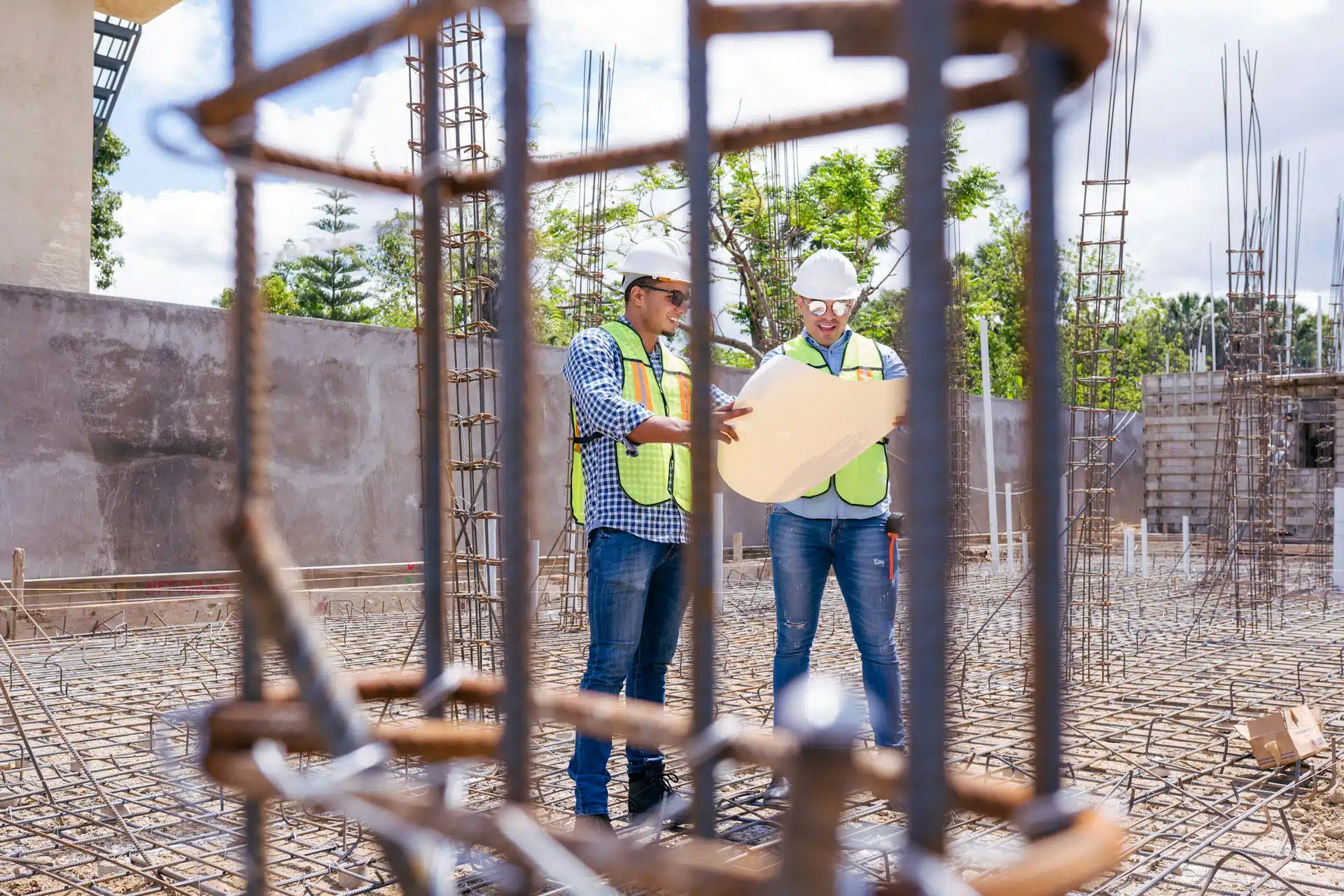
Use the same route for every room so the review stays consistent. Start at the entry, move clockwise around the walls, look up at ceilings and corners, then check floors, doors, windows, closets, switches, outlets, vents, and trim transitions. This pattern keeps the walkthrough from turning into a random list of whatever catches attention first.
In each room, separate cosmetic touch-ups from items that may need a trade-specific review. Paint holidays, minor caulk gaps, or small trim adjustments may be straightforward. Stains, recurring cracks, soft drywall, exterior wall moisture, door alignment problems, or stucco separation deserve more context before anyone agrees that the item is merely cosmetic.
For Bonita Springs new builds, it is also smart to revisit the home after a rain event if timing allows. Water patterns around entries, lanais, garages, and exterior walls can reveal details that are hard to see on a dry day. If a concern appears, document the location and ask how the repair will be verified after correction.
Systems And Owner Documentation
The walkthrough should also confirm that owner documentation is complete. Collect warranty information, product selections, paint colors, cabinet and trim details, appliance manuals, permit closeout information when applicable, and any maintenance notes for stucco, drywall, paint, sealants, or exterior finishes. If a finish item is tied to another trade, note both pieces of the issue so the right person is assigned.
Before the walkthrough ends, agree on how corrections will be tracked. A useful punch list includes the room, item, expected correction, responsible party, and follow-up date. Photos are helpful, but a photo without a room name or written description can create confusion later.
Frequently Asked Questions
What should be on a final walkthrough checklist for a new build?
Include exterior finishes, drainage clues, windows, doors, drywall, stucco, trim, paint, closets, garages, wet areas, fixtures, owner documents, and a written punch list for any correction that remains.
Should cosmetic items be documented?
Yes. Small cosmetic items are often easiest to fix before furniture, window treatments, and daily traffic make access harder. Document the location and expected correction clearly.
Who should review drywall and stucco concerns?
A contractor familiar with drywall, stucco, finish work, and local construction conditions should review cracks, stains, texture issues, soft areas, or recurring finish problems before they are covered with paint.
Review The Details Before Move-In
If you need help reviewing drywall, stucco, trim, or finish details in a Bonita Springs new build, call (239) 948-2125 or use the contact page to reach CR Benge Drywall and Stucco Inc. A focused walkthrough can turn scattered concerns into a clear, workable punch list.

