
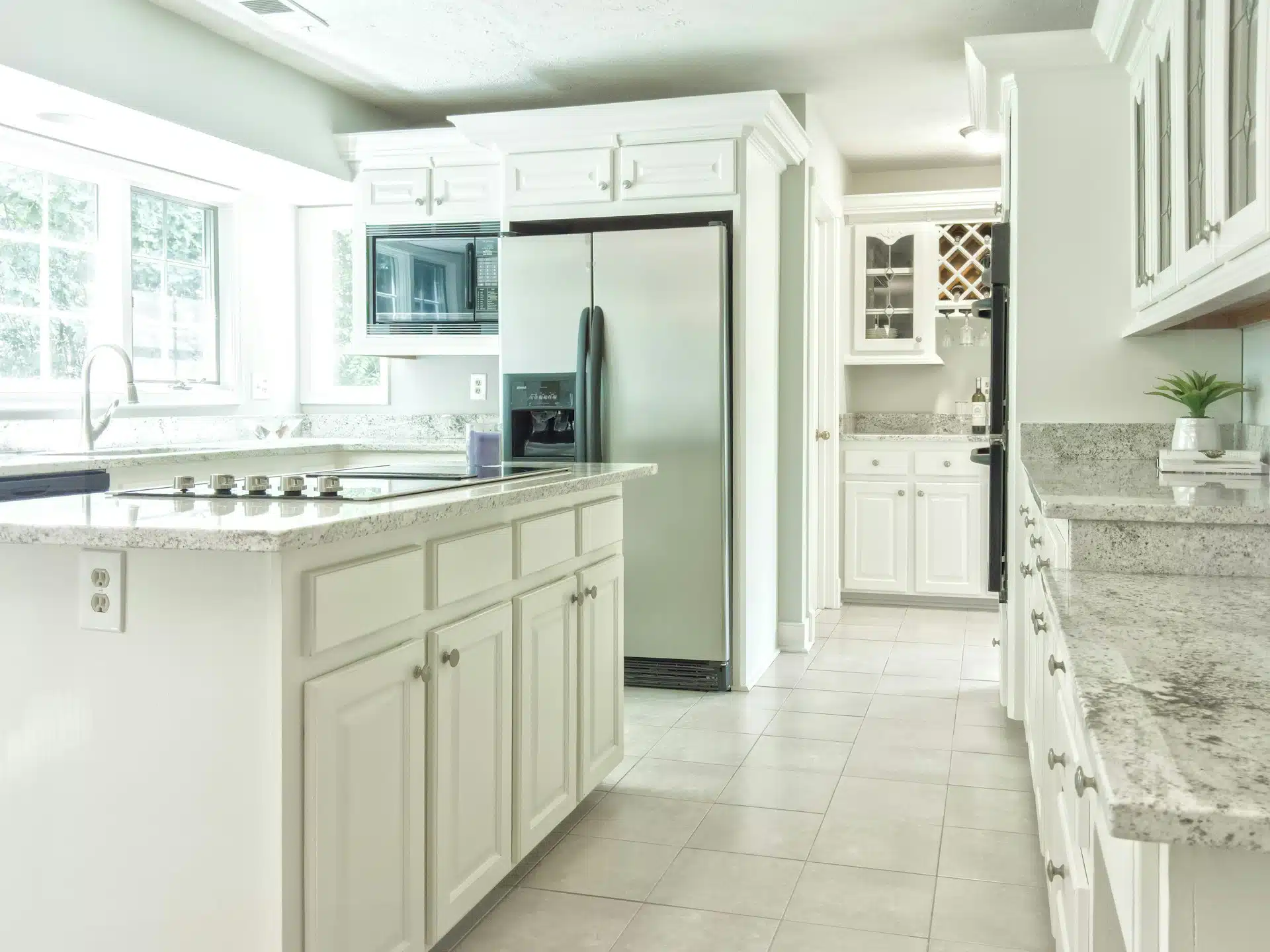
Tiles that suddenly rise or sound hollow underfoot can be frustrating, especially when they change the clean look of a finished kitchen. Lifting tiles can catch your eye and even become a safety issue if they’re sticking up or shifting under pressure. Whether it’s a few bathroom-style squares near the sink or larger floor panels throughout the space, these problems often sneak up without warning.
Kitchen tiles don’t lift without a reason. Something underneath causes them to come loose, push up, or move out of place. If ignored, what starts as a small eyesore can spread and affect more of the floor. Acting early gives you a better chance of keeping repairs easier and your kitchen floor where it belongs, flat and nicely aligned.
Common Causes Of Kitchen Tile Lifting
If you’ve noticed a few tiles starting to shift or lift, you’re probably wondering what caused it. There’s usually more going on under the surface. These problems tend to build over time, and sometimes it’s a mix of more than one thing, especially in humid places like Southwest Florida, where floors deal with constant moisture, heat, and movement.
Here are the most common signs pointing to what’s happening:
1. Moisture And Water Damage
Think about how much water passes through your kitchen each day. Sinks, dishwashers, steam from cooking, all that moisture can seep into tile edges and grout lines. Over time, if water finds its way underneath and into the adhesive, it can cause sections to swell and loosen. Once the bond breaks, the tile starts to lift.
2. Improper Installation
If the floor wasn’t prepped right or the tiles were set over old adhesive, problems will show up earlier than they should. Tiles need clean, dry surfaces and even spacing. Shortcuts in prep or rushed work might not show for months, but they can cost more in the long run once the tile starts separating from the base.
3. Settling And Shifting
Even solid homes can shift a bit as the ground moves or structures settle. In areas where weather stays warm most of the year, small ground shifts can pull on tile floors or create gaps. You might not feel these changes underfoot, but your tile might react by lifting, especially around corners, walls, and edges.
One local homeowner had a section of tile lift near the stove. At first, it looked like a small problem with the grout. But when a tile popped during regular sweeping, it turned out the dishwasher hose had leaked under the slab for weeks. That small unnoticed leak turned into a full tile section reset that could’ve been avoided if caught earlier.
Spotting the cause fast and knowing it’s not just surface damage can make all the difference in deciding your next step.
Signs Your Tiles Are Lifting
It’s easier to stop the problem when you catch it early. The good news is, there are usually clear signs that tiles are starting to lift before things get out of hand. If you know what to look for, you can avoid bigger repairs later.
Watch for these clues:
– Gaps Between Tiles: If tile lines that used to be tight now look wider, that’s a sign something has shifted. Even small gaps can mean the adhesive underneath has started to break down.
– Raised Corners Or Edges: When the outer edge of a tile rises above its neighbor, it’s no longer level. This creates uneven surfaces and is often an early warning of poor bonding.
– Tiles That Sound Hollow: Tapping your tile lightly with your knuckle or the tip of a screwdriver can help. A low, solid thud means it’s still well-set. A hollow echo might mean the tile has detached from the adhesive underneath.
– Cracking Or Loose Grout: Grout protects what’s under the tile. If it starts cracking or breaking away even though it was recently installed, moisture or movement underneath could be the reason.
– Tiles That Rock Or Click When Stepped On: A loose tile won’t sit still. If it shifts under your weight or makes popping sounds while you walk, it’s likely lost its grip underneath.
Not every sign means major repairs, but none should be ignored. The earlier you recognize lifting tiles, the smoother the fix, before water gets in, tiles chip, or someone trips. Keep an eye out during regular cleaning or while moving furniture. Early signs often hide in plain sight.
Professional Solutions For Fixing Tile Lifting
When tiles start to lift, the root cause isn’t always clear just by looking. That’s why a full inspection is the starting point. A professional will look beneath the surface to figure out if water damage, subfloor issues, or old adhesive is to blame. They’ll check surrounding areas too, not just the visible damage. Sometimes, the problem goes further than the lifted tile itself.
Once the issue is confirmed, the repair plan depends on how widespread the damage is. A few loose tiles in a stable area might just need fresh adhesive and proper reseating. But if sections of the floor have weakened or lifted significantly, a more thorough strategy is needed. This might include removing damaged tiles, prepping the surface properly, and using the right adhesive for the home’s specific environment. Southwest Florida’s heat and humidity can make choosing the wrong materials a quick path to the same problem repeating.
A poorly installed kitchen tile floor may hold up for a little while, but over time it can break down if the base layer isn’t level or moisture-resistant. Professionals rework the underlayment if needed, ensuring that what gets put back down isn’t just a quick fix but a long-term solution.
To avoid lifting again in the future, pros often take preventative steps after repairs. These may include sealing grout lines, improving ventilation, or adding moisture barriers when necessary. It’s not just about fixing the look. It’s about stopping the same issue from coming back.
How To Maintain A Long-Lasting Kitchen Floor
Once your kitchen floor is stable and flat again, a few smart habits can help keep it that way. Maintenance doesn’t need to be complicated. It just needs to be consistent. Think of it as extending the life of your flooring investment, not a chore.
Here’s a simple list of practical floor care tips:
– Sweep Regularly: Dirt and grit act like sandpaper on tiles and grout. A quick sweep every few days helps keep things smooth.
– Clean Up Spills Right Away: Letting water or liquids sit can lead to moisture creeping into the grout or under the tiles.
– Use Mild Cleaners: Strong chemicals can eat away at grout and cause discoloration. Stick with gentle cleaners designed for tile floors.
– Avoid Dragging Furniture: Heavy chairs or appliances can chip tiles or loosen the bond underneath. Use padding or lift items instead of sliding them.
– Keep An Eye On Moisture Sources: Check under sinks, along dishwashers, and near the fridge to ensure there aren’t small leaks forming.
Professional inspections every few years, especially if you live near the coast, can catch tile or subfloor damage before things shift again. Contractors may notice minor warping or movement long before it’s obvious to a homeowner. If you’ve dealt with lifting once, staying ahead with inspections is well worth it.
Keeping Your Kitchen Tiles Secure and Beautiful
Fixing lifted tiles is about more than putting your kitchen back together. It’s also about keeping it that way. Once you’ve had one issue, it’s easier to keep an eye out for the warning signs that could lead to another round of lifting. Don’t wait until tiles are rising or shifting to take action.
By understanding what causes tile lifting and how to spot it early, you’re in a stronger position to protect your flooring. Partnering with professionals who understand local flooring installation services in Southwest Florida gives you solid footing and peace of mind for the long haul. Catching moisture problems early, using proper materials designed for this climate, and maintaining your floor routinely can make all the difference in keeping your kitchen functional and looking great.
If your kitchen tiles have been shifting or popping out of place, it’s a good time to get ahead of the problem and prevent bigger repairs down the road. At CR Benge Construction, Inc., we offer reliable flooring installation services in Southwest Florida that are built to last. Let our team help you restore a smooth, safe, and beautiful kitchen floor you can count on.

