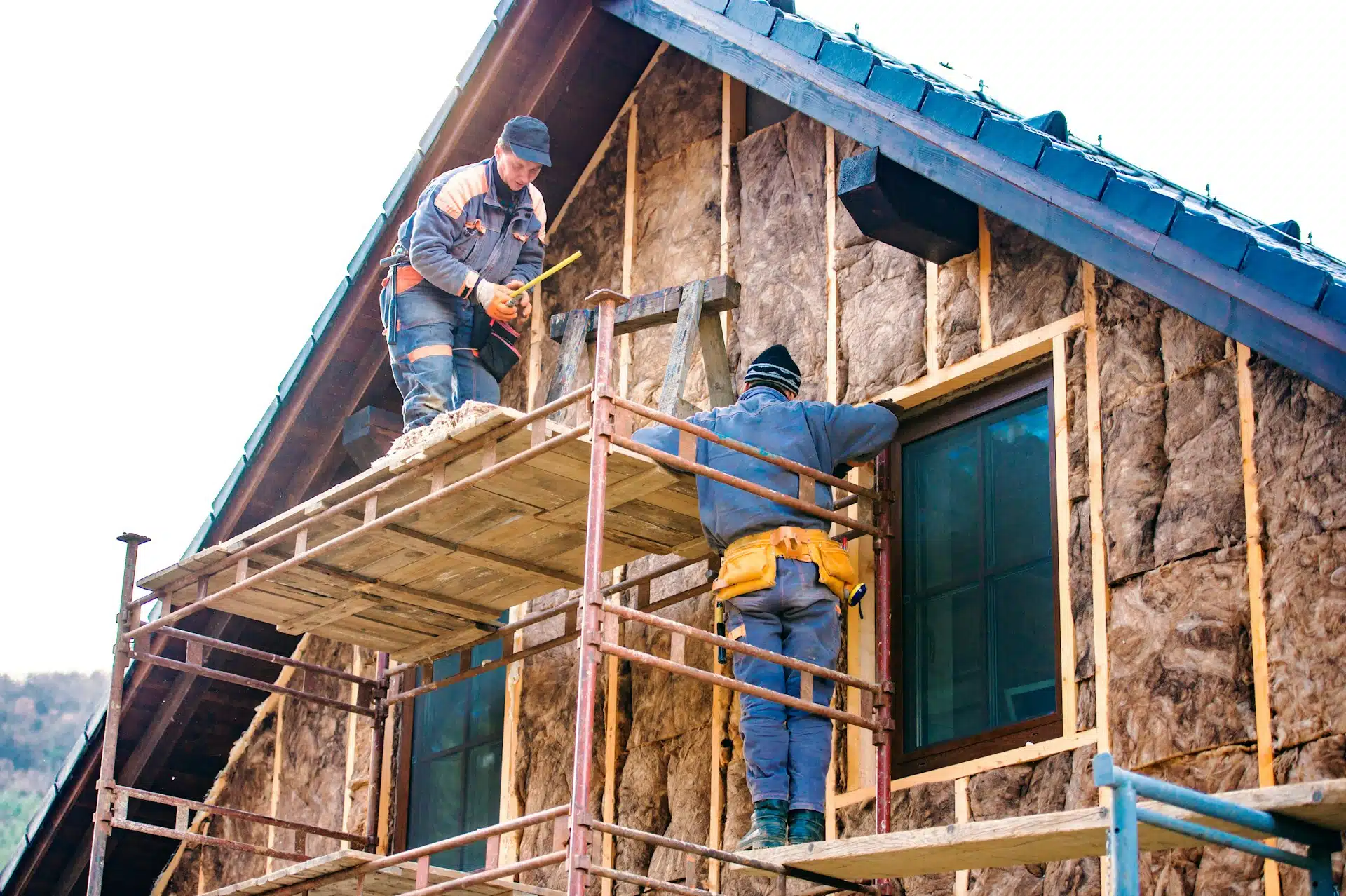
Building a new home is a thrilling journey, filled with visions of creating a comfortable and efficient living space. In Southwest Florida, where summer heat can be relentless, ensuring your home is well-insulated is especially significant. Insulation is the barrier that keeps your indoor climate stable and energy bills manageable. Yet, even in new home construction, insulation problems can sometimes arise, leading to discomfort and unexpected costs. Recognizing and addressing these issues early on can save a lot of hassle down the line.
While most homeowners focus on the aesthetic aspects of their new homes, the practical elements, like insulation, deserve equal attention. Proper insulation not only improves comfort but also bolsters the efficiency of heating and cooling systems. With insulation playing such a critical role, any glitches can lead to drafts, uneven temperatures, and skyrocketing energy bills. Understanding the common pitfalls and how to spot potential problems early can make all the difference in maintaining a cozy and energy-efficient home.
Common Insulation Problems in New Home Construction
New homes are not immune to insulation mishaps. Here are some common issues you might encounter:
1. Improper Installation: Even with top-notch materials, if the installation is poorly executed, gaps and air leaks can develop.
2. Inadequate Insulation Materials: Using low-quality insulation or materials not suited for the local climate can compromise efficiency.
3. Moisture Problems: Water can seep into wall cavities if barriers are not correctly installed, leading to insulation damage.
These issues might not be immediately obvious but can lead to persistent temperature control problems. Imagine feeling a draft in a corner of a room even though your HVAC system is running full blast. This is a typical sign of poor insulation, where the desired indoor temperature simply isn’t maintained due to one of these underlying issues.
Being proactive about these common pitfalls allows you to take steps to mitigate them. Whether you’re ensuring the installation crew is experienced, choosing the right materials for the humid Florida climate, or double-checking for moisture barriers, attention to detail is key.
Signs of Insulation Problems
Spotting insulation issues before they become major problems is crucial. Here’s what to watch out for:
– Uneven Temperatures: Rooms that are noticeably warmer or cooler than the rest of the house can indicate gaps in insulation.
– High Energy Bills: A sudden spike in utility costs might be a sign that your HVAC system is working overtime due to poor insulation.
– Drafts: Feeling a breeze where there shouldn’t be one is a classic symptom of inadequate insulation.
– Condensation: Moisture forming on windows or walls can reveal that insulation isn’t effectively keeping outdoor air separate from the indoor environment.
By staying alert to these signs, homeowners can address problems promptly, preventing minor inconveniences from turning into major headaches. A good rule of thumb is to regularly inspect areas like attics, basements, and around windows and doors, where insulation issues are most likely to show up first.
Effective Solutions and Preventive Measures
Addressing insulation issues early can save homeowners a lot of trouble. To start with, picking the right insulation materials is key. For the warm climate of Southwest Florida, materials that combat humidity while providing excellent thermal resistance are ideal. Foam boards and spray polyurethane foam are popular choices due to their efficient moisture control and insulating properties, keeping homes both cool and dry.
Ensuring proper installation is just as important as selecting the right materials. Skilled professionals should handle the application to avoid common pitfalls like uneven coverage or gaps. It’s wise to check that the insulation is continuous and seals all possible air leak points, particularly around windows, doors, and electrical outlets. Regular inspections, at least once a year, can help spot issues before they turn into serious problems. This is especially useful after any major weather event that might strain the insulation.
Routine maintenance can prevent small problems from escalating. Here’s a simple checklist to keep your insulation in top shape:
– Inspect the attic and basement for any signs of moisture or infestation
– Check for air leaks around windows, doors, and ventilation points
– Make sure vents and exhaust fans are functioning correctly to reduce moisture build-up
A proactive approach not only ensures a comfortable living environment but also extends the life of your insulation system.
When to Call a Professional
Sometimes, insulation problems can be tricky to identify and fix on your own. If you’ve noticed consistent issues like high energy bills or uncomfortable drafts that don’t improve with basic checks, it’s time to seek professional help. Insulation experts have the tools and experience to diagnose complex problems that might not be obvious. They can run specialized tests, like infrared scans, to detect areas of inadequate insulation that the naked eye would miss.
Certain situations demand professional attention, such as significant condensation inside walls, mold growth, or when major renovations alter the structure of your home. These scenarios require more than just a quick patch-up and should be handled by someone familiar with local building codes and standards. Professionals can advise on the best materials suited for your home and climate, ensuring a long-lasting solution.
Ensuring Long-Term Insulation Efficiency in Southwest Florida Homes
Maintaining insulation efficiency involves both awareness and action. Homeowners in Southwest Florida can take specific steps tailored to their environment. For instance, installing additional shading or reflective barriers can help manage heat, reducing the overall load on your HVAC system. Additionally, using dehumidifiers can combat the high humidity levels, keeping indoor air quality healthy and comfortable year-round.
Adopting an energy-efficient mindset goes a long way. Simple actions like sealing small gaps promptly and routinely upgrading insulation can keep your home running smoothly. These practices not only preserve insulation efficiency but also enhance your home’s sustainability.
With a thoughtful approach to insulation care, you can keep your home comfortable and your energy costs in check. Identifying problems early, choosing the right materials, and knowing when to call in the experts are all part of a successful strategy. By taking these steps, you’ll enjoy a cozy home environment, sheltered from the extremes of the Florida climate.
For those navigating the ups and downs of building a new home, ensuring every detail is spot on makes a world of difference. If you’re keen to explore best practices in the construction of a new home, especially when it comes to efficient insulation solutions, consider consulting with experts who understand the nuances of Southwest Florida living. Discover how CR Benge Construction, Inc. can guide you through this process to create a home that’s comfortable and energy-efficient for years to come.

