
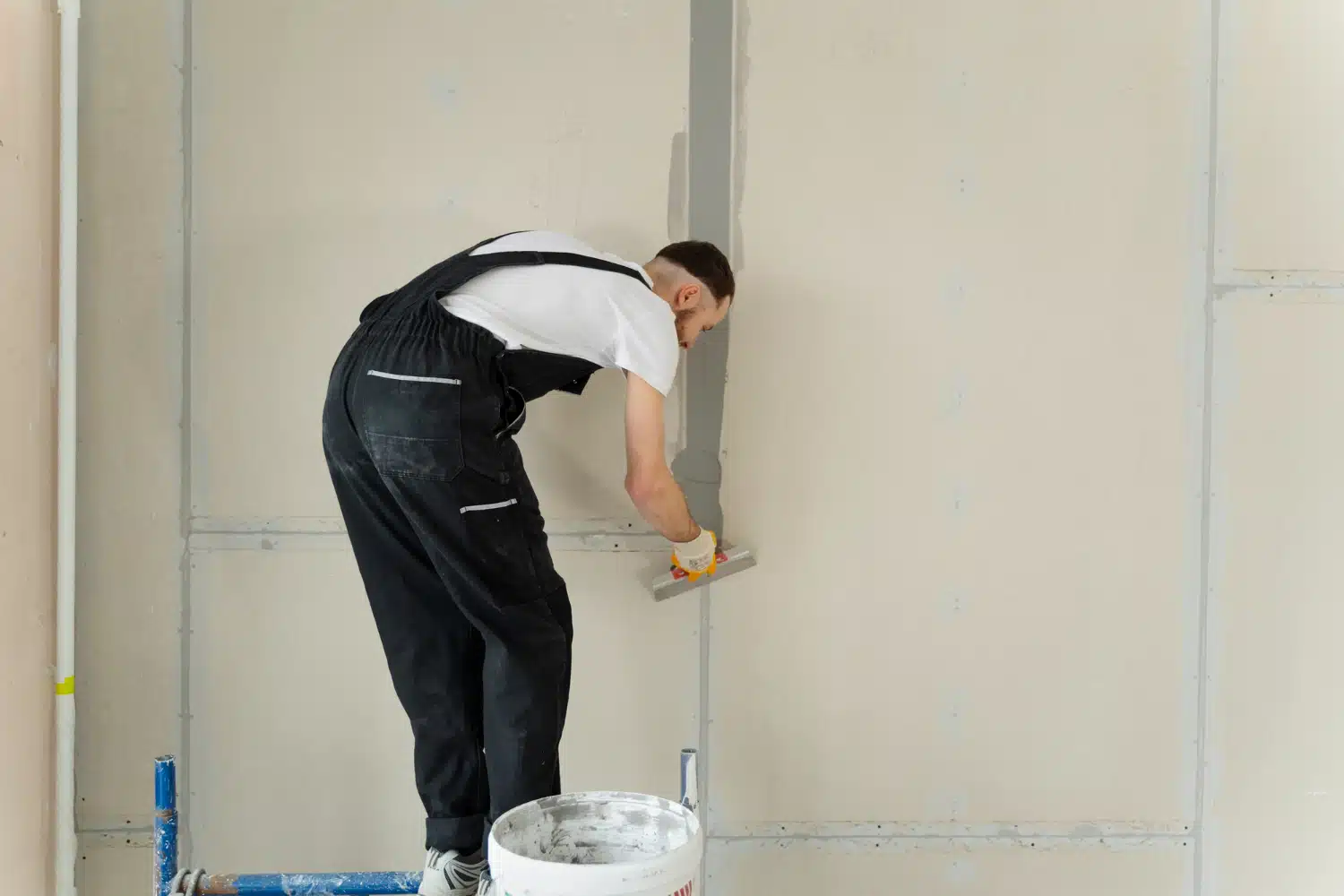
When building a new home or doing a full remodel, getting the timing right makes a difference. Drywall installation services are a big part of every project. They usually do not get much attention until the moment they are needed, and by then, you want everything lined up just right. In Southwest Florida, weather and humidity add some extra things to keep in mind. Knowing when to schedule drywall helps avoid delays and keeps your build on track. Here is how to time this step so your walls go up smooth and your project keeps moving.
Where Drywall Fits in the Process
Drywall does not come early in a build. It is installed right after all the rough-in work like plumbing, electrical, and heating or cooling lines is placed inside the walls. Once those parts are finished and approved through inspections, and framing is set, that is when drywall is next.
It is important that drywall happens before trim, cabinetry, flooring, and paint. Think of drywall as what turns open framing into real rooms. It gives shape to spaces and creates the surface every other finish needs.
Since it sits in the middle of construction, drywall ties together the early work with the polished finish at the end. When walls go up, you can see rooms start to take shape and imagine how you will live in the space. Getting this step at the right time makes the whole process go smoother.
Why Timing Matters in Southwest Florida
Southwest Florida’s seasons are unique—no cold winters, but plenty of sun, humidity, and rain. This matters for every part of construction, but especially for drywall.
Drywall is made of paper and gypsum, so it absorbs moisture. High humidity can slow drying and mess with how seams and joints finish. That is why many builders plan for fall and early winter for drywall work. The cooler months bring lower humidity and better air for hanging drywall, finishing, and sanding.
From October through December, there are usually fewer storms and less moisture in the air, which helps reduce delays. Crews can get more done, and the work holds up better right away.
CR Benge Construction, Inc. times drywall installation services during these drier seasons in Southwest Florida, helping both new builds and remodels avoid issues with excess moisture or sticky finishes.
What Needs to Be Done Before Drywall Starts
Before drywall goes up, a lot has to happen first to keep the whole project running smoothly. These steps get the job site ready and prevent bumps during the installation.
Here is a quick checklist:
– All electrical, plumbing, and HVAC rough-ins are finished and checked
– Framing is complete and inspected
– Permits are approved and current
– There are no leaks or signs of water damage in walls
– The inside of walls is dry and free of debris
Builders do a walk-through before they say yes to drywall. They check for anything out of place—maybe loose nails, exposed wires, or a spot that needs more framing. Fixing small things ahead of time stops problems before they start.
If you are remodeling an older home, the prep might need more time to fix hidden issues, but the goal is always to get the space safe and ready for the drywall crew.
How Long Drywall Usually Takes
Every home is different, and the drywall timeline can change based on a few things. Size matters, but so do the details—extra-high ceilings, fancy corners, or special finishes add to the total time.
The process involves:
– Hanging the drywall sheets
– Taping the joints
– Spreading mud (joint compound) over seams
– Sanding between layers
– Final touch-ups to make everything smooth
Extra requests like soundproofing, advanced insulation, or unique wall shapes can stretch the time out a bit, but they are usually worth it for the end result.
A well-prepped site speeds things up. If things are tidy and checks are finished, the crew can move quickly and get to the next step—like paint or cabinets—sooner.
Your Home Starts to Feel Finished
When drywall is in place, the change is immediate. Open wall studs disappear and real rooms appear. You can walk through and get a sense of how the layout works in everyday life.
It is at this stage that future color picks, lighting spots, and new storage ideas really come to life. Planning the last steps gets easier when you can actually see solid, clean walls.
While drywall is not the final step, it marks the break between rough construction and the start of the build’s finishing touches—like paint and trim. Installing drywall invites the next phase and builds excitement for the project’s completion.
Get the Inside Right Before You Move Forward
Scheduling drywall installation services at the best time protects your whole renovation or new build. Drywall needs to be dry and smooth so that every finish that follows—the cabinets, the tile, the paint—looks its best and lasts longer.
In Southwest Florida, timing with the seasons means fewer delays and higher quality. Fall and early winter offer the best window for getting drywall done right. Working with an experienced builder who follows these steps keeps your schedule moving and helps the whole project come together as planned. Good timing for drywall helps every other step fall into place.
At CR Benge Construction, Inc., we know how much timing matters when building a home in Southwest Florida. The right conditions can make a big difference in how smoothly your walls go up and how everything fits from there. If your project is still early in planning, we can help you stay on track at every step. To see how your build connects with professional drywall installation services, let’s talk about your timeline and what comes next.

